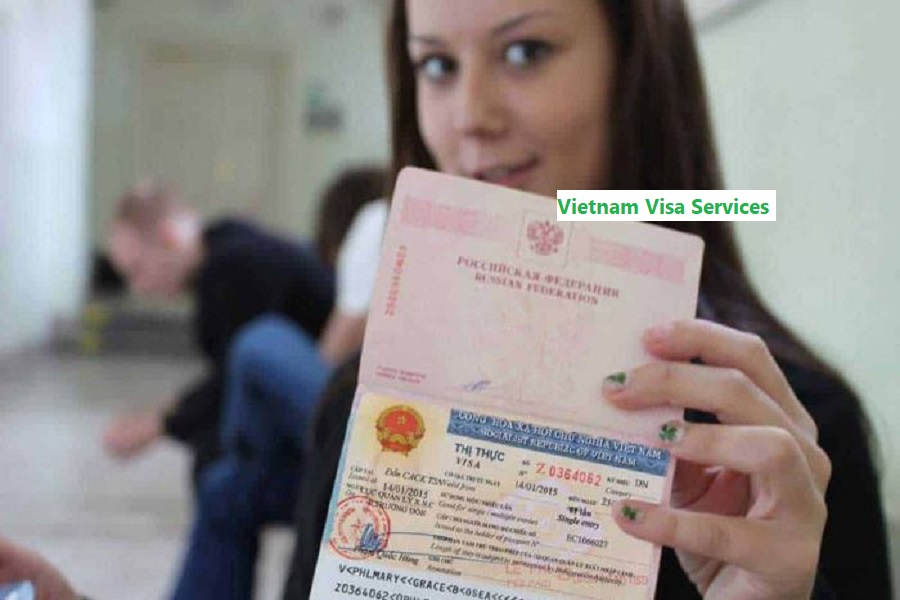
Traveling to Vietnam? Understanding its visa requirements is essential for a smooth journey! This guide covers everything from the types of visas available, such as tourist and business visas, to detailed application processes, and common issues travelers face. Learn about the necessary documentation, including invitation letters and application forms, along with tips to avoid application rejections and delays. Explore options like e-Visas and visa on arrival for convenience. Stay informed about Vietnam’s entry regulations and enhance your travel experience. Whether you’re a tourist or on a business trip, find all the information you need to ensure a hassle-free visa process for your trip to Vietnam.
Understanding Vietnam’s Visa Requirements
Vietnam has become a popular destination for tourists and business travelers alike, which necessitates a clear understanding of its visa requirements. Generally, individuals from many countries need a visa to enter Vietnam; however, there are exceptions based on nationality. Citizens from several countries are granted visa exemptions, allowing them to stay in Vietnam for varying durations without the need for a visa.
Tourist visas are primarily designed for individuals looking to explore the country’s attractions and cultural offerings. The most common types of tourist visas are the single-entry visa, granted for a stay of up to 30 days, and the multiple-entry visa, which allows for entries over a 90-day period. Business visas, on the other hand, cater to those traveling for work-related purposes. These can be single or multiple entries as well, typically valid for one month, three months, or sometimes longer depending on the needs of the traveler and the sponsorship from a Vietnamese entity.
visa vietnam applications require specific documentation, which may include a valid passport with at least six months of validity, passport-sized photographs, and a completed visa application form. Additionally, travelers may need to provide an invitation letter from a Vietnamese host or an approved visa sponsorship company for certain visa types, particularly business visas. It is important to also account for processing times, as these can vary based on the type of visa and application method (either through an embassy or an online service).
Overall, understanding Vietnam’s visa requirements is essential for a smooth travel experience, ensuring that travelers possess the necessary documentation and abide by the regulations set forth by the government. Awareness of the visa exemption policies and the various types of visas available can greatly enhance one’s travel plans, making the journey to Vietnam more enjoyable and hassle-free.
Types of Vietnam Visa Services Available
Obtaining a Vietnam visa can be approached in various ways, each presenting distinct advantages and considerations. The most common options include consulate or embassy applications, e-Visas, visa on arrival processes, and online visa services.
The traditional method, applying through a Vietnamese consulate or embassy, requires travelers to submit their visa application in person or by mail. This route often provides more assurance, particularly for those seeking longer stays or specialized visa types. However, it can be time-consuming and requires attention to detail in preparing the necessary documentation.
On the other hand, the e-Visa service stands out for its convenience, allowing travelers to apply for a visa entirely online. The application typically takes about three business days to process, and it is valid for a stay of up to 30 days. While this option is straightforward, it is crucial to verify eligibility as some nationalities may be excluded.
Another popular choice is the visa on arrival (VOA) option, available to travelers flying into Vietnam. This method requires applicants to obtain an approval letter online before their arrival. It is a convenient choice for those already in the region or those preferring a flexible travel itinerary. However, it is essential to carry extra cash for the visa fee upon arrival.
Lastly, various online visa services have emerged that assist travelers in obtaining their visas. These platforms guide users through the application process, simplifying document preparation and submission. While they provide a user-friendly experience, there may be additional service fees associated.
In summary, potential travelers should consider their individual preferences and needs when selecting from the diverse visa vietnam online services available. Each option comes with its own set of pros and cons, allowing for tailored choices in obtaining a visa for Vietnam.
The Application Process for Vietnam Visa Services
When embarking on the journey to obtain a Vietnam visa, understanding the application process is crucial. This process typically varies depending on the type of visa one seeks—be it tourist, business, or a student visa. Below, we outline the essential steps, necessary documents, and tips to navigate this process effectively.
Firstly, it is critical to determine the specific type of visa required for your visit to Vietnam. Each visa type has unique requirements and processing times. Once the visa type is determined, applicants must prepare the necessary documentation. Common requirements include a valid passport with at least six months of validity beyond the intended stay, a recent passport-sized photograph, and any application forms pertinent to the visa type. Additional documents may include a letter of invitation from a host in Vietnam, proof of booking flights, and accommodation details.
The next step is to fill out the Vietnam visa application form accurately. It is advisable to pay close attention to details such as personal information, travel dates, and the purpose of the visit. Minor errors can lead to application delays or rejections. After submission, processing times may vary, with some visas available for immediate issuance under expedited services, while others may take up to several weeks.
Moreover, keeping abreast of the latest visa regulations and updates is essential, as policies can frequently change. Resources such as the official website of the Vietnam embassy or consulate and reliable visa service providers can provide current information. In conclusion, understanding the steps, required documents, and current visa regulations will streamline the Vietnam visa application process, ensuring a smoother entry into the country.
See also this article: Fastest Vietnam visa application service for British citizens
Common Issues and Solutions in Vietnam Visa Services
Traveling to Vietnam can be an enriching experience, but navigating the visa services can pose several challenges. Common issues travelers face include application rejections, incomplete documentation, and confusion surrounding entry requirements. Each of these challenges can lead to delays or even prevent entry into the country.
One frequent issue is application rejection due to errors or inconsistencies in the submitted documentation. Applicants may inadvertently provide incorrect personal information or omit required documents, leading authorities to decline their applications. To mitigate this risk, it is crucial that travelers meticulously review the visa application requirements and ensure that all necessary documents are prepared accurately. Engaging with official resources or consulting with a reputable visa service can provide clarity and prevent common pitfalls.
Another common challenge is dealing with missing documents. It’s vital to have a complete checklist of required documents based on the visa type being applied for. Missing supporting information can result in processing delays or denials. To avoid this situation, applicants should create a detailed list of needed documents and verify them before submission. Furthermore, using a courier service that specializes in visa documents can ensure that everything is submitted to the appropriate authorities in a timely manner.
Understanding Vietnam’s entry requirements is equally essential. Many travelers mistakenly believe that they can enter the country with just a passport. However, specific regulations may apply based on the traveler’s nationality, purpose of visit, and duration of stay. Being informed about the latest entry requirements, including any health regulations, can help prevent misunderstandings and ensure compliance.
In conclusion, while navigating Vietnam’s visa services can be complex, understanding the common issues and implementing practical solutions can streamline the process. Thorough preparation, accurate documentation, and knowledge of entry requirements are key to a successful visa application.
Liên hệ đơn vị
VisaVietnamOnline
- Address: 1728 Big Canyon Trail, Carrollton, TX 75007, US
- Phone: +1(972)-666-0676
- WhatsApp:(+84)968 18 77 18
- Email: [email protected]
- Website: visavietnamonline.org