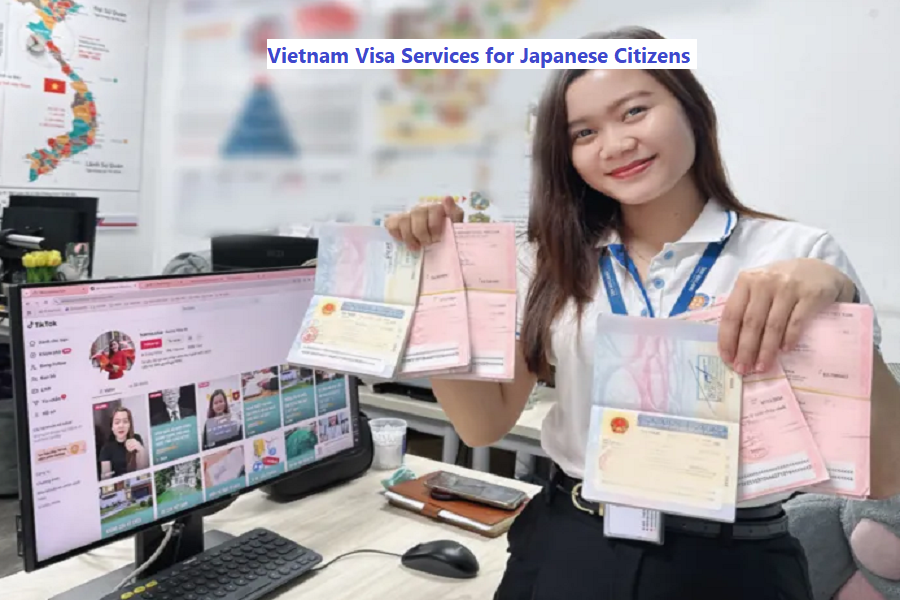
Japanese citizens planning to visit Vietnam must understand the visa requirements and application processes to ensure a smooth travel experience. This comprehensive guide covers different types of visas available for various purposes, including tourist and business visas, along with essential documents needed for application. Learn about common challenges faced by travelers, such as application denials and delays, and discover helpful tips for overcoming them. Additionally, immerse yourself in Vietnam’s rich culture with practical travel advice, from local customs to navigating transport options. Prepare for a memorable journey through the stunning landscapes and vibrant heritage of Vietnam with our expert recommendations.
Understanding Visa Requirements for Japanese Citizens Traveling to Vietnam
When planning a trip to Vietnam, Japanese citizens must consider the visa requirements that govern their entry into this Southeast Asian nation. There are several types of visas available depending on the purpose of the visit. The most common categories include tourist visas, business visas, and other specific types that cater to various needs.
The tourist visa, for instance, is ideal for those who wish to explore Vietnam’s rich culture and stunning landscapes. Japanese travelers can apply for a 30-day single-entry tourist visa vietnam or a multiple-entry tourist visa that permits stays of up to 90 days. On the other hand, a business visa may be more suitable for Japanese citizens engaging in work-related activities within the country. This visa can allow for stays that vary from one month to an entire year depending on the nature of the business and the agreement with the Vietnamese authorities.
It is important to note that certain exemptions may apply to Japanese citizens. For example, some travelers may qualify for a visa exemption for short visits, particularly under specific conditions laid out by the Vietnamese government. However, to ensure compliance, it is advisable for Japanese citizens to verify eligibility and stay duration as these regulations can change.
When applying for a visa, Japanese citizens must prepare essential documents such as a valid passport with at least six months of validity remaining, a completed visa application form, recent passport-sized photographs, and proof of accommodation in Vietnam. Additionally, financial proof showing adequate funds for the duration of the stay may also be required. Understanding these prerequisites can facilitate a smoother application process and ensure compliance with immigration regulations.
Visa Application Processes: How to Apply for a Vietnam Visa
Applying for a visa vietnam online as a Japanese citizen can be accomplished through several methods, each tailored to different travel needs. The three primary options available are the online e-visa system, visa on arrival, and traditional applications via Vietnamese embassies or consulates.
The first method, the e-visa system, is a convenient choice for travelers. Japanese citizens can apply for an online visa by visiting the official Vietnam e-visa website. The application requires basic personal information, travel plans, and a scanned copy of the applicant’s passport. The processing time is typically three working days, and the e-visa allows entry for a maximum stay of 30 days. It is essential to pay the required visa fee during the application, which can vary based on the processing speed selected.
Another method is the visa on arrival, which is popular for those arriving by air. To obtain a visa on arrival, travelers must first secure an approval letter through a local travel agency or online service. This letter will then need to be presented at the airport upon arrival in Vietnam, along with a completed visa application form and two passport-sized photos. The visa on arrival typically permits a stay of up to 30 days for single-entry visits and can be obtained within 2 to 4 hours, depending on the agency.
The traditional application method involves visiting a Vietnamese embassy or consulate to submit the visa application in person. Applicants should prepare required documents, including a passport valid for at least six months, completed application forms, and payment for the application fee. This process may take longer, usually between five to seven working days, but it is beneficial for those who prefer direct communication and assistance from consular staff.
See also this article: Fastest service for converting tourist visas to work visas.
Common Challenges and Solutions in Obtaining a Vietnam Visa
Japanese citizens seeking to obtain a Vietnam visa may encounter several challenges throughout the application process. One of the most prevalent issues is the denial of visa applications. Common reasons for these denials include incomplete documentation, discrepancies in information provided, and the inability to meet specific visa category requirements. Applicants are encouraged to meticulously review all application criteria to minimize the chances of rejection. It is advisable to consult official sources or seek assistance from reputable visa service providers to ensure that all forms and supporting documents are correctly filled out and submitted.
Additionally, misunderstanding the types of visas available can lead to complications. Travelers should familiarize themselves with the various visa categories such as tourist visas, business visas, and work visas, ensuring they apply for the correct type based on their intended stay and purpose of visit. Misapplication can result in processing delays or outright denial of entry into Vietnam.
Delays in processing can also pose significant challenges for applicants. Delays may occur due to high demand, incomplete applications, or additional scrutiny of specific cases. To avoid such delays, it is recommended that Japanese applicants submit their visa applications well in advance of their intended travel date, ideally at least a couple of weeks prior. This allocation of time allows for unforeseen issues to be addressed without disrupting travel plans.
Moreover, missing documentation is a common hurdle. Travelers should maintain a checklist of required documents, including passport validity, invitation letters if applicable, and photographs. In case documents are misplaced or lost, it is essential to act promptly by contacting the relevant authorities to issue replacements or obtain the necessary paperwork.
In conclusion, being aware of these challenges and implementing the suggested solutions can streamline the process of obtaining a Vietnam visa for Japanese citizens, reducing stress and increasing the probability of a successful application.
Travel Tips for Japanese Citizens Visiting Vietnam
Traveling to Vietnam presents a unique opportunity for Japanese citizens to immerse themselves in a rich cultural heritage and vibrant landscapes. To ensure a smooth visit, understanding some key travel tips is essential.
Firstly, cultural etiquette plays a significant role in how Japanese travelers are perceived in Vietnam. It is advisable to greet locals with a smile and use polite language, even if communication may require some improvisation. Simple phrases in Vietnamese, such as “Xin chào” for hello and “Cảm ơn” for thank you, can enhance interactions and foster goodwill. While English is commonly spoken in tourist areas, learning basic Vietnamese is encouraged and will be appreciated by the locals.
Understanding local customs is equally important. For instance, when dining, it is common to share dishes, and using chopsticks is popular, much like in Japan. However, it is considered impolite to stick chopsticks upright in a rice bowl, as this resembles funeral rites. This cultural nuance is crucial for respectful dining experiences.
Navigating Vietnam’s transportation system can be challenging for newcomers. While taxis and ridesharing apps like Grab are widely available in urban centers, it’s recommended to negotiate fares before getting into traditional taxis, or to ask the driver to use the meter. Additionally, using local buses can be an economical option, though it requires understanding the route maps and schedules.
While exploring, safety tips should be kept in mind. Petty theft can occur in crowded places, so keeping valuables secure and being aware of one’s surroundings is advisable. As for attractions, Vietnam boasts must-visit locations such as Halong Bay, the bustling streets of Hanoi, and the ancient town of Hoi An. Discovering these historic sites will certainly enrich the travel experience for Japanese visitors.
Liên hệ đơn vị
VisaVietnamOnline
- Address: 1728 Big Canyon Trail, Carrollton, TX 75007, US
- Phone: +1(972)-666-0676
- WhatsApp:(+84)968 18 77 18
- Email: [email protected]
- Website: visavietnamonline.org